
Puppy Crate Training: How to Start Your Puppy the Right Way
Crate training should begin before you need the crate. How to teach your puppy that the crate is a normal, comfortable part of everyday life—not a place they only experience when you leave or go to sleep.
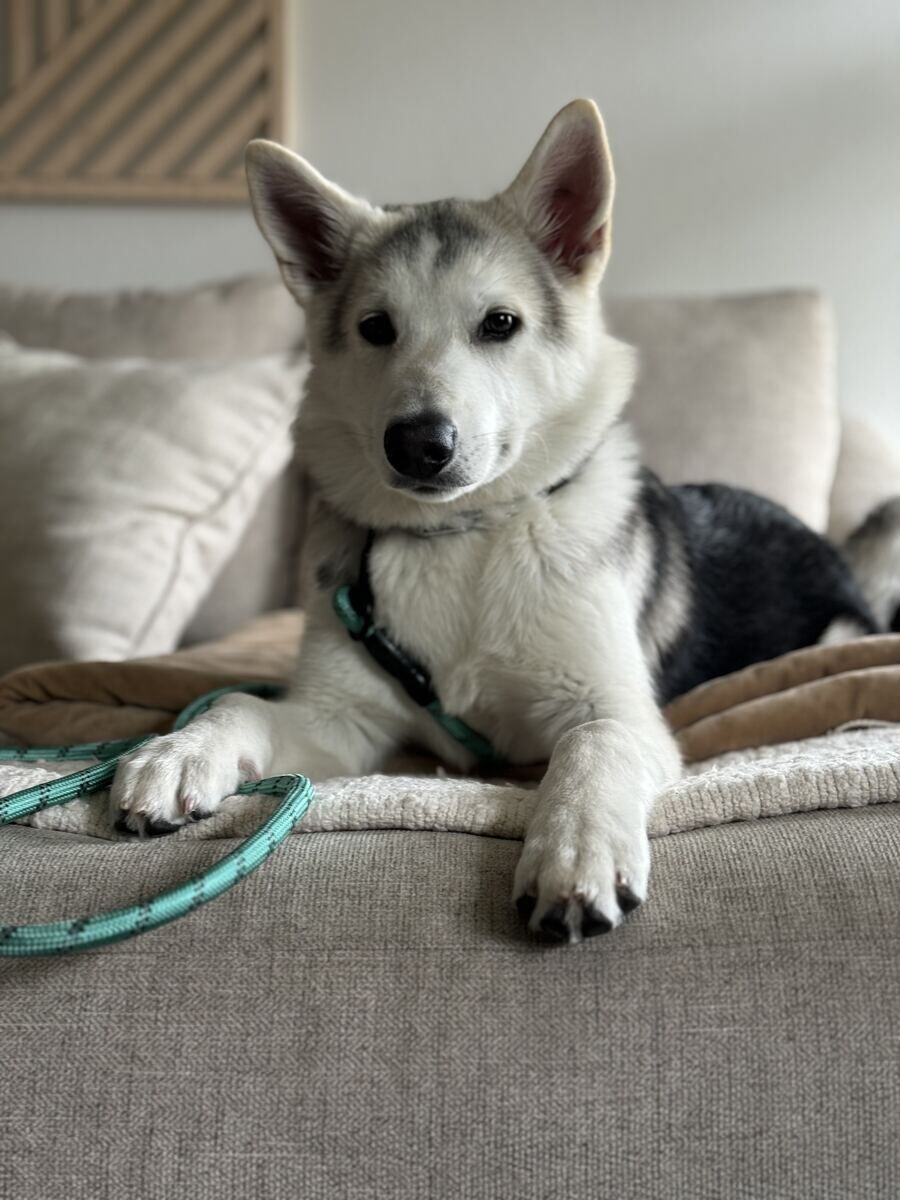
Bringing home a new puppy is exciting. Then nighttime arrives.
The puppy goes into the crate, starts whining, and suddenly everyone in the house is awake wondering what to do.
One of the biggest mistakes owners make with crate training is waiting until bedtime to introduce real confinement.
Crate training should begin before you need the crate.
The goal is to teach your puppy that the crate is a normal, comfortable part of everyday life—not a place they only experience when you leave or go to sleep.
Start Crate Training at Mealtime
One of the easiest times to introduce a puppy to the crate is during meals.
Open the crate door and place the puppy’s food toward the middle or back of the crate. Then allow the puppy to enter and explore on their own.
Don’t immediately shut the door.
At this stage, we’re simply allowing the puppy to discover that going into the crate leads to something positive.
A playpen can make this process easier. Place the crate inside or alongside a properly configured puppy area so the puppy has a reasonable amount of controlled space while still having access to the crate.
Over time, the crate becomes part of the puppy’s normal environment instead of something unfamiliar.
Use Your Puppy’s Food to Build Value for the Crate
You don’t necessarily need to put the entire food bowl inside.
Hand-feeding can be extremely useful during puppy training.
Take part of the puppy’s meal and toss a few pieces of food into the crate. Allow the puppy to enter and eat them.
When the puppy is comfortably inside, reward them with additional pieces of food.
You’re creating a simple association:
As you repeat the process, many puppies become increasingly willing to enter. Eventually, you may see the puppy enthusiastically run into the crate because it has learned that the crate predicts something valuable.
This is also an opportunity to begin incorporating the communication and marker system you’ll use throughout the puppy’s obedience training.
Don’t Make Bedtime the First Real Crate Session
Once your puppy is comfortable entering the crate, you can begin working toward short periods with the door closed.
Ideally, begin this during the daytime.
Let the puppy play, train, explore the house under supervision, or spend appropriate time outside. Then bring the puppy back into a calmer state and practice going into the crate.
Reward the puppy for entering, close the crate, and begin teaching that being confined for a period of time is also normal.
Starting during the day gives you time to work through the process without the pressure of needing to fall asleep immediately.
Waiting until late at night on the puppy’s first day home can make things considerably harder—especially for a puppy that has never learned how to be alone.
Why Does My Puppy Cry in the Crate?
Think about the situation from the puppy’s perspective.
The puppy may have recently been living with littermates and sleeping near other dogs. Now they’re in a completely different environment, surrounded by unfamiliar sights, smells, sounds, and people.
Being alone is new.
Whining and barking can become one way the puppy attempts to bring you back.
The problem starts when owners accidentally teach the puppy that it works.
Be Careful What You Reward
Imagine your puppy is in another room.
The puppy starts whining.
Then barking.
You wait for a while, but eventually you can’t take it anymore, so you walk into the room.
The puppy becomes quiet.
What might the puppy have just learned?
If barking consistently causes someone to enter the room, open the crate, provide attention, or allow the puppy out, that behavior can become stronger.
Owners often don’t realize they’re reinforcing the exact behavior they’re trying to eliminate.
This is another reason daytime crate training is so valuable. You can practice while you’re awake, patient, and prepared instead of trying to solve the problem at 2:00 in the morning when everyone needs sleep.
But Don’t Assume Every Cry Is Just for Attention
There’s an important distinction here.
A young puppy may cry because it genuinely needs to eliminate. Puppies also differ in age, development, previous crate experience, and their ability to remain comfortably confined.
Persistent or unusual distress can also warrant professional or veterinary guidance rather than simply being ignored.
Good crate training means learning your individual puppy—not blindly ignoring every sound they make.
Crate Training Is Part of a Bigger Picture
Crate training becomes much easier when it’s incorporated into the puppy’s overall routine.
Your puppy is learning throughout the entire day—not just during formal training sessions.
Appropriate structure, feeding, potty routines, supervised freedom, play, obedience training, rest, and crate time all work together.
The crate shouldn’t replace training, exercise, interaction, or appropriate supervision. It’s one tool for helping a puppy learn structure and become comfortable settling independently.
Common Puppy Crate Training Mistakes
Some of the most common problems include:
Introducing the crate for the first time at bedtime.
Immediately closing the door before the puppy is comfortable entering.
Only using the crate when the owner leaves.
Giving the puppy too much uncontrolled freedom in the house.
Letting the puppy out every time it protests.
Accidentally rewarding barking and whining with attention.
Expecting a very young puppy to remain confined longer than is reasonable.
Using the crate as a substitute for training and appropriate activity.
Being inconsistent with the puppy’s routine.
The goal isn’t to rush the process.
Build the behavior in layers.
First, make entering the crate easy.
Then make being inside valuable.
Then introduce short periods of confinement.
From there, gradually build the puppy’s ability to settle and remain comfortable independently.
Need Help Training Your New Puppy?
Crate training is only one part of raising a well-mannered dog.
Puppies also need to learn communication, household structure, leash skills, Sit, Down, Place, Recall foundations, impulse control, and how to appropriately interact with the world around them.
Empire K9 provides private puppy and obedience training for dog owners throughout the Inland Empire and surrounding communities.
If you’d rather establish the right habits now instead of trying to undo problems later, puppy training can give both you and your dog a clearer foundation.
A Clear Way to Start
Choose the program around your dog's needs and the outcome you want. Owners participate in coaching and practice between visits so the training carries into daily life.
$800 · 5 private in-home sessions
Puppy Foundations
For puppies approximately 8 weeks through 6 months old. Build the habits, communication, and household manners you want from the start.
$1,500 · 8–10 private sessions based on needs
Complete In-Home Training
A customized private training program designed around your dog's needs, covering obedience, manners, real-world reliability, and appropriate behavior problems.
$3,500 · approximately 4 weeks · pickup & drop-off included
30-Day Complete Board & Train
Approximately four weeks of professional training with pickup and drop-off included, real-world proofing, and owner transition coaching.
Puppy Foundations starts with a free phone consultation — no paid evaluation upfront. For in-home and Board & Train programs, the $99 evaluation is a separate paid service and is not credited toward a package. A $275standalone training session is also available for a focused goal when a full program is not the right fit.
Related Training Services
Keep Reading
Puppy Biting: What's Normal, What's Not, and How to Fix It
Those needle teeth are no joke. Learn why puppies bite, when it becomes a problem, and how to teach a soft mouth before bad habits set in.
Tired of Your Dog Pooping All Over the Yard? Here’s How to Teach Them to Go in One Spot
Teaching your dog to poop in one designated area of the yard is actually pretty simple. It does take time. It takes consistency. And most importantly, it takes management.
How to Prevent Resource Guarding in Your Puppy: Stop Creating Unnecessary Conflict
Some of the things people do to prevent resource guarding can actually contribute to creating it. Manage first. Train second. And don’t create a fight with your puppy that never needed to exist.
Want Hands-On Help?
Request a free 15 minutes phone consultation first, and the owner calls you first. If an in-home evaluation is the right next step, we send a private link for you to choose a time and pay $99 online. The 45–60 minutes in-home evaluation fee is separate and is not credited toward a training package.